Health Benefits of Indoor Plants
Getting the full benefits of plants means looking past standard decorating advice and choosing plants intentionally. You already know plants can change how a room looks, but the real question is how the right plants can support comfort, focus, air quality, and well-being in your specific indoor environment.
At Growing Roots, we see this every day in residential and commercial spaces throughout Long Beach and the surrounding areas. The difference comes from knowing whether the plant actually fits the room it’s placed in. When matching a plant to a room, consider light, airflow, humidity, how the space is used, and how much care the plant will need.
Reducing Stress and Improving Productivity
Plants can affect how people feel, focus, and work indoors.
A Washington State University study conducted by Dr. Virginia Lohr found that participants worked about 12% faster on a computer task when plants were present. The same study also found a smaller increase in systolic blood pressure during the task when plants were in the room, suggesting reduced stress.
For workplaces, this matters. Lower stress and better focus can help people feel more comfortable and stay more productive throughout the day. At home, plants can help make a room feel calmer and easier to relax in.
Mood, Focus, and Biophilic Design
Indoor plants can also influence mood, attention, and the way people experience a space.
Research by Roger S. Ulrich found that people showed significantly higher alpha brain wave activity when viewing vegetation-rich nature scenes than when viewing urban scenes. The same study found that nature scenes held people’s attention better than urban scenes.
That connection between plants, emotional well-being, and focus is one reason biophilic design has become so important in modern interiors. Bringing natural elements indoors can help people feel more connected to nature, comfortable, and engaged in the spaces where they spend their time.
The Ultimate Workplace Lifehack
What if we treated nature like the ultimate productivity software?
Check out this brilliant video by Green Plants for Green Buildings introducing the ‘LIVINGPLANT™’ — a revolutionary, cordless technology designed to optimize human performance 24/7.
Indoor Plants Improve Humidity and Comfort
According to the American Society of Heating, Refrigerating and Air-Conditioning (ASHRAE), indoor humidity is generally best for people when it stays in a moderate range. Around 30–60% relative humidity supports comfort, and 40–60% may also help reduce some flu-related risks (PDF).
Plants are not a replacement for a building’s HVAC systems, but they can be part of a healthier, more balanced indoor environment.
Indoor plants release moisture through a natural process called transpiration. This process can help support more comfortable humidity levels in spaces where HVAC systems, ventilation, or seasonal conditions contribute to dry indoor air.
When humidity is too low, respiratory passages and skin can become dry, which may cause discomfort and increased vulnerability to illness. Low humidity can also cause materials such as wood to dry out, crack, or become damaged.
High humidity can allow condensation to collect on windows and exterior walls, which may lead to mold and structural concerns over time.
How Plants Help Reduce Indoor Noise
Indoor plants cannot soundproof a crowded office, but they can help soften sound and reduce distractions in interior spaces. They can also absorb, deflect, and break up noise, especially when used in groups or placed around busy areas.
Plants with broad leaves, dense foliage, and varied heights are especially useful for softening sound. Placing them near walls, corners, or other hard surfaces can also help reduce echoes and create a calmer indoor atmosphere.
In offices, reception areas, waiting rooms, and shared workspaces, even a small improvement in background noise can make the space feel more comfortable and easier to work in.
Improving Indoor Air Quality and Freshness
Indoor air quality is one reason people look for information about the health benefits of plants.
Plants are not a replacement for ventilation or proper building maintenance, but they can still contribute to a fresher, more comfortable indoor environment.
Indoor air pollutants may include volatile organic compounds (VOCs), such as trichloroethylene, which can originate from materials like adhesives, inks, paints, lacquers, and varnishes used in buildings. When building materials and finishes dry or age, they release VOCs into the surrounding indoor air through a process called off-gassing.
Sick Building Syndrome and Stale Indoor Air
“Sick Building Syndrome” refers to symptoms such as headaches, fatigue, irritation, or general discomfort that seem connected to time spent inside a building, without one clear cause. It is more common in sealed, energy-efficient buildings where there is limited exchange of fresh outdoor air for stale indoor air.
In these environments, emissions from building materials, cleaning products, and office equipment can make a space feel uncomfortable. This is where the overall indoor environment matters, including air movement, maintenance, cleanliness, and the natural elements people experience in the room.

For employers, healthier interiors are not just a design choice. They can support employee wellness, comfort, and attendance while positively influencing your business’s bottom line.
Live Plants vs. Artificial Plants
Artificial plants may seem easier at first, but live plants can be more practical over time.
Artificial plants can fade and require a more involved cleaning process. Silk plants may need to be taken outside, washed, and dried. In some commercial or public spaces, artificial greenery may also need to meet fire-safety requirements. After repeated cleanings, silk plants may need to be replaced.
On the other hand, live plants bring natural beauty, growth, and wellness benefits that artificial plants cannot provide.

Saving Time With Professional Plant Care
Indoor plants offer many benefits, but they need the right care to stay healthy.
With professional interior plant care, building owners, managers, and staff can focus on their main responsibilities instead of watering, pruning, cleaning, replacing, or troubleshooting plants.
Professional plant care helps ensure that plants receive the right light, water, containers, placement, and maintenance. It also helps prevent common issues such as overwatering, pests, poor plant selection, and plants declining in the wrong environment.
For businesses, professional interiorscaping can protect the investment in the plant design while keeping the space fresh and well maintained.
Where Indoor Plants Make the Biggest Impact

First impressions matter. In 1966, the slogan ‘You never get a second chance to make a first impression’ was originally about suits, but the same idea applies to physical office spaces. Today, many businesses prefer lush indoor plants to sharp suits to make a quick, positive first impression.
A lobby with healthy, well-placed plants feels different from one with bare corners, tired furniture, or neglected greenery. In places where people spend a lot of time, including homes, waiting areas, offices, retail environments, and assisted living facilities, indoor plants can help communicate warmth, professionalism, and attention to detail.
To get the most comfort and visual benefit from indoor plants, place them where people spend the most time. For offices and mixed-use properties, that can mean desks, workstations, conference rooms, gyms, and common areas. For homes, it can mean living rooms, bedrooms, kitchens, and other frequently used spaces.
The best plant plan depends on the space, available light, traffic flow, maintenance needs, and the feeling you want people to have when they walk in.
Health Benefits of Indoor Plants at a Glance
Indoor plants can help:
Choosing Indoor Plants for Different Spaces
SMALL OFFICES:
Ficus Moclame: Tolerates bright, indirect to medium light and can be pruned to maintain shape. Excellent for adding lush greenery without taking up much space.
LARGE/OPEN OFFICE SPACES:
Aglaonema (Chinese Evergreen): Very forgiving about watering and adaptable to typical office environments. Great for dim corners and workstations needing soft color and greenery.
HOTEL LOBBIES:
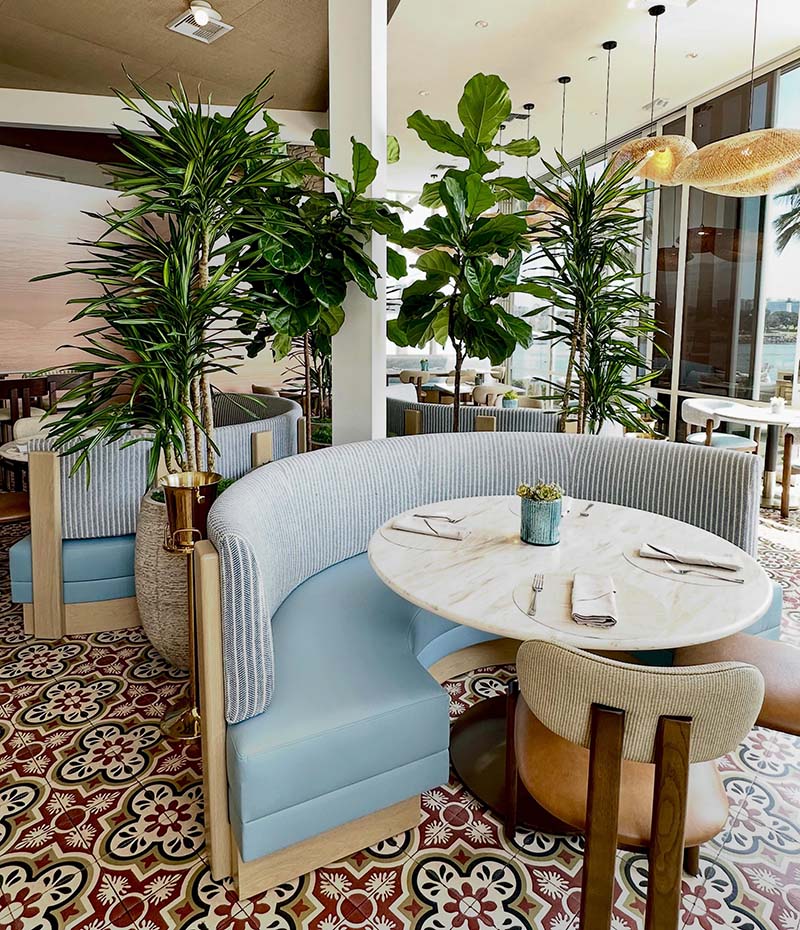
Ficus Lyrata (Fiddle Leaf Fig): Prefers bright, indirect light and consistent conditions. Makes a bold statement in lobbies and visually softens modern spaces.
RECEPTION AREAS:
Ficus Audrey: Handles bright, indirect to medium light and is relatively low-maintenance. Its refined look suits minimalist, modern offices.
LOW-LIGHT SPACES:
Peperomia: A slow-growing foliage plant. Tolerates lower light, doesn’t need frequent watering, and stays small. Ideal for desks and shelves.
HIGH-TRAFFIC AREAS:
Dracaena Lisa: Very tolerant of low to medium light and infrequent watering. Its upright, slim profile fits tight spaces without blocking movement while adding height, greenery, and structure.

Join our plant-loving community!
By signing up for our newsletter, you’ll get exclusive plant tips to help keep your green friends thriving, a peek at our awesome clients and the amazing work they’re doing, and get to know the Growing Roots team of knowledgeable and passionate plant enthusiasts! Sign up now and let the Plant Love flow your way!