You save money by tending the office plants yourself, until a few yellow leaves turn into a bigger question: what else is DIY plant care quietly costing your business? The answer may have less to do with the plants and more to do with the hours, interruptions, and replacements that no one thought to count.
How DIY Plant Care Adds to Your Employees’ Workload
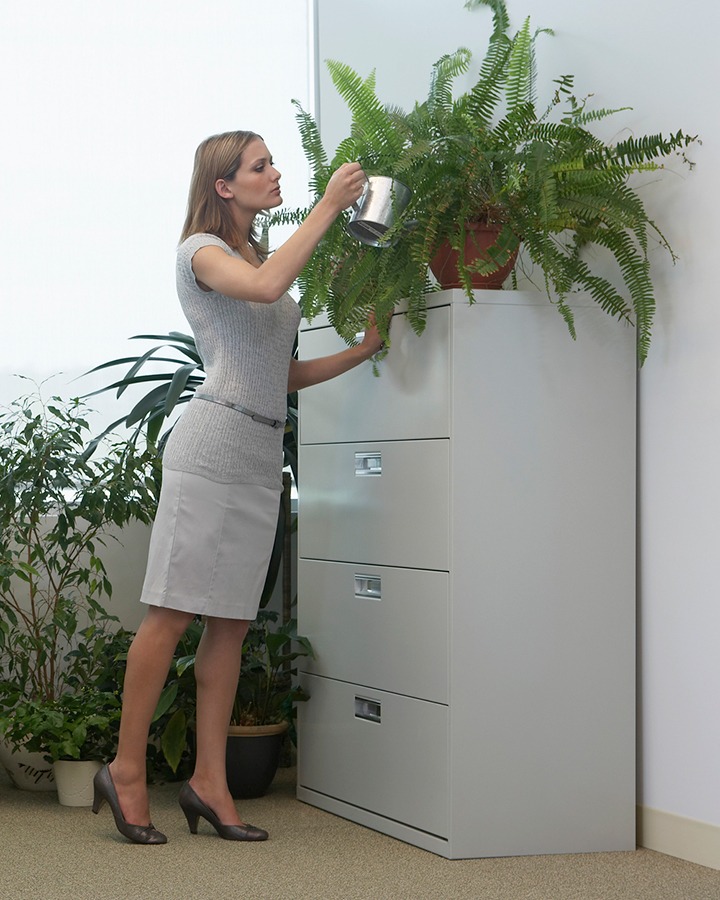
Office plant care often becomes an extra task for whoever is willing to take it on. That person still has their regular responsibilities, but now they’re also checking soil, carrying water, cleaning up spills, and figuring out why a plant isn’t doing well.
Even when a task isn’t officially assigned to one person, the work still needs to get done. Plant care has to fit around other responsibilities, including during vacations and other absences. For business owners and office managers, it’s worth considering whether in-house plant care is the most effective use of your team’s time.
The DIY drain you don’t see: the hours spent searching the internet for plant care tips, the recurring cost of replacing plants that you really liked that still died, and the mental energy spent worrying about yellowing leaves instead of focusing on work.
How Frequent Indoor Plant Replacements Add to Your Budget
When interior plant care is handled in-house, the budget impact shifts from professional indoor plant care fees to internal operating expenses and direct purchasing. The primary expenses include:
Direct costs for purchasing replacement plants and pots. These are often higher when bought in small batches from retail nurseries rather than wholesale commercial contracts.
Labor costs. The more plants there are, and the larger they are, the more time the job takes. That includes the “hidden” cost of time spent researching replacements and figuring out how to get large plants, like statement trees, into the building and into place.
Waste disposal fees. If old plants, pots, and soil can’t go into the building’s regular trash bin, you may have to pay to have them hauled away.
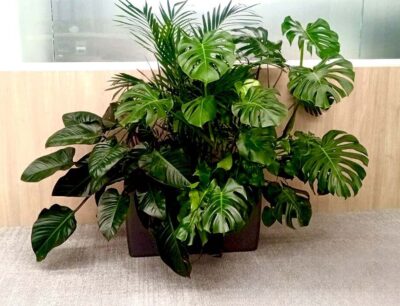
Replacing office plants more often than you’d like? We can help you determine whether professional plant care would be a better fit for your budget.
How Unhealthy Plants Can Make Your Property Look Neglected
Unhealthy-looking plants can make even a well-maintained office feel less cared for to employees, visitors, and clients. Brown leaves, bare stems, or dead growth can be especially noticeable near an entrance, beside reception, or in a meeting room where people often wait.
You put effort into keeping those spaces clean and presentable. The plants should reflect that same attention to detail. They’re part of the office’s overall appearance, just like the furniture and décor, and their condition contributes to the impression the space makes.
If the plants in your office or reception area are struggling under a DIY plant care system, you’re still spending money on interior plants without getting the result you want. Keeping them alive and keeping them looking beautiful aren’t always the same thing.
Why Office Plants Need More Than Occasional Watering
Keeping office plants healthy takes more than watering them when the soil looks dry. Someone in the office needs to check whether they actually need water, remove dead growth, and make sure each plant gets the right amount of light. Those needs can change with the seasons and HVAC system in your building. A consistent care routine helps catch small problems early, rather than waiting for wilting or yellow leaves to signal that something is wrong with your plants.
When Outsourcing Plant Maintenance Makes Business Sense
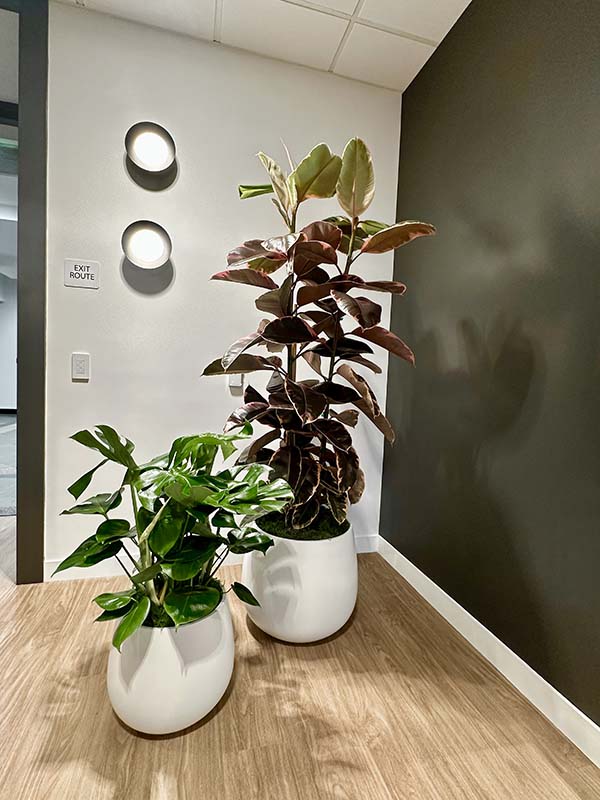
If keeping your office plants healthy has become a recurring problem, it may be time to get a quote from a professional indoor plant care service. The question isn’t just what the service costs. It’s what your employees would no longer have to handle, and whether the plants would look the way you want them to.
To decide whether to outsource your plant care, you need to compare the total cost of ownership for both options (professional indoor plant care service or DIY plant care) rather than just looking at the service fee versus the cost of a few new plants.
One way to determine the value of outsourcing plant care is to calculate the annual internal cost of your DIY system and compare it to a professional quote.
One hidden expense in DIY plant care is the employee’s time. Estimate how many hours per week the employee spends watering, pruning, and cleaning plants. As an example, at $30/hour, two hours a week represents roughly $3,120 per year in employee time devoted to plant care. Outsourcing doesn’t reduce that payroll expense, but it can free up time for the work the employee was hired to do.
Then there’s indoor plant replacement. How much do you spend each year replacing plants? Include the cost of the plants and any pots, soil, and any fertilizer you need.
Evaluate the professional service model. Look for a plan based on your needs, including plants matched to the light levels in your space. That can help reduce the “buy and die” cycle you may be experiencing with DIY plant care.
Corporate plant care services bring expert knowledge to workplaces that often lack it. At Growing Roots, we guarantee quality plants, containers, service, and maintenance to all of our clients. In order to keep plants looking their best, our guaranteed maintenance will replace plants when necessary at no extra expense to you.
We also offer the option of renting your plants. We provide and own the plants. Your subscription covers the plants, installation, maintenance, and a guarantee that we’ll replace any plant that looks unhealthy at no extra charge.
Compare the annual cost of plant replacements and the value of employee time spent on plant care with what it would cost to hire a professional to tend to all your interior plantscaping needs. If the cost gap is small, consider whether freeing up the employee’s time and improving the visual quality of the office make outsourcing the better financial choice.
 Pet-safe Biophilic Design: Plants That Are Beautiful and Non-toxic